

NASA studies Earth because Earth is a planet, too! In fact, it is the planet that NASA has studied the most. It is important to study Earth because it is the one place in the entire solar system where humans can llive.
Read More
NASA studies Earth because Earth is a planet, too! In fact, it is the planet that NASA has studied the most. It is important to study Earth because it is the one place in the entire solar system where humans can llive.
Read More
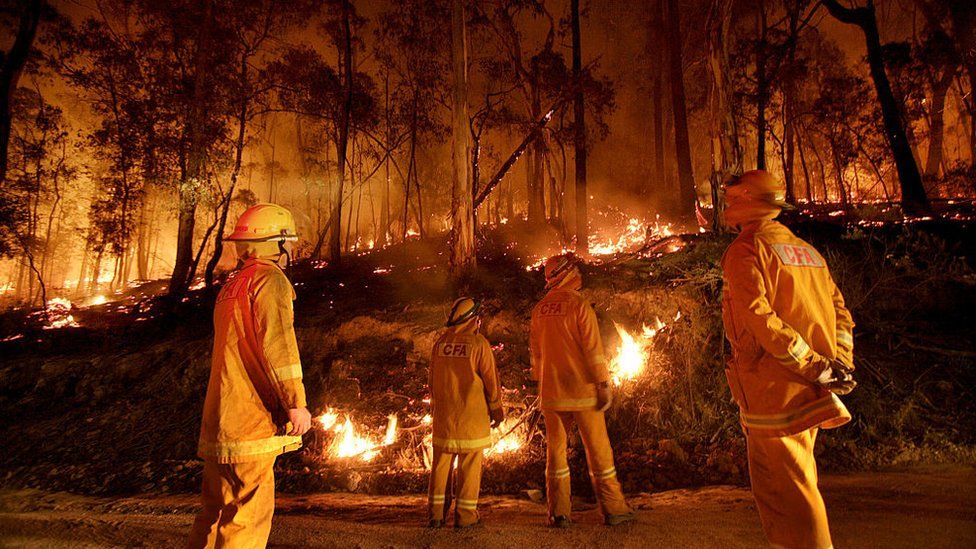
Wildfires have been burning across the state of California for weeks – some of them becoming larger complexes as different fires merge. One of those was the August Complex Fire, which reportedly began as 37 distinct fires caused by lightning strikes in northern California on Aug. 17. That fire is still burning over a month later.
Read More
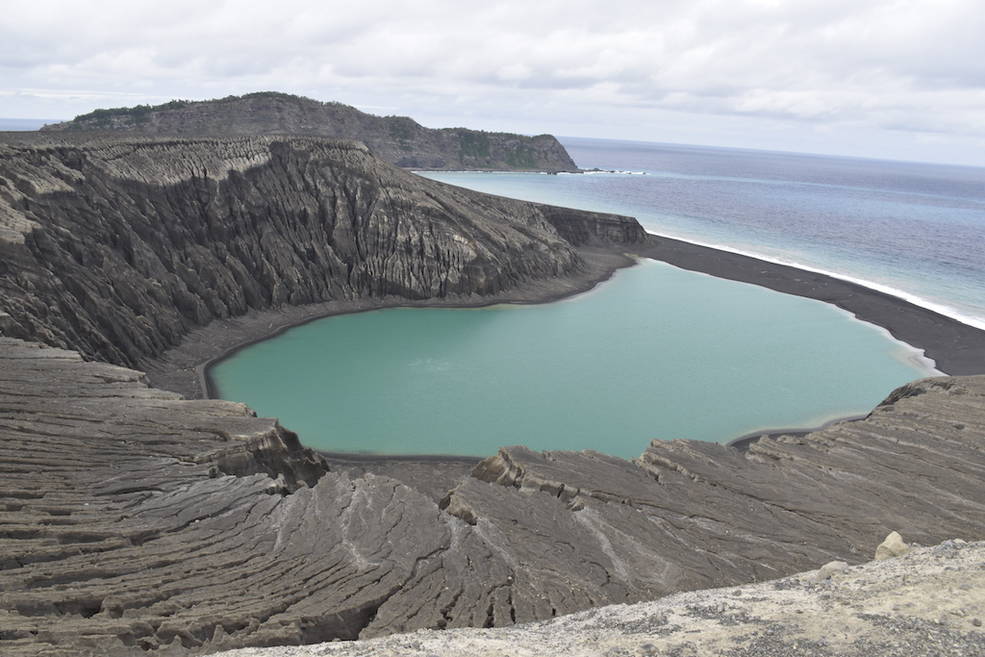
Hunga Tonga-Hunga Ha'apai is the first island of this type to erupt and persist in the modern satellite era, it gives scientists an unprecedented view from space of its early life and evolution. The new study offers insight into its longevity and the erosion that shapes new islands. Understanding these processes could also provide insights into similar features in other parts of the solar system, including Mars.
Read More
The Earth Science Division is using information from NASA’s Earth-observing satellites, surface sensors, and computer-based datasets to study the environmental, economic and societal impacts of the COVID-19 pandemic and to determine whether environmental factors influence the spread of the virus.
Read More